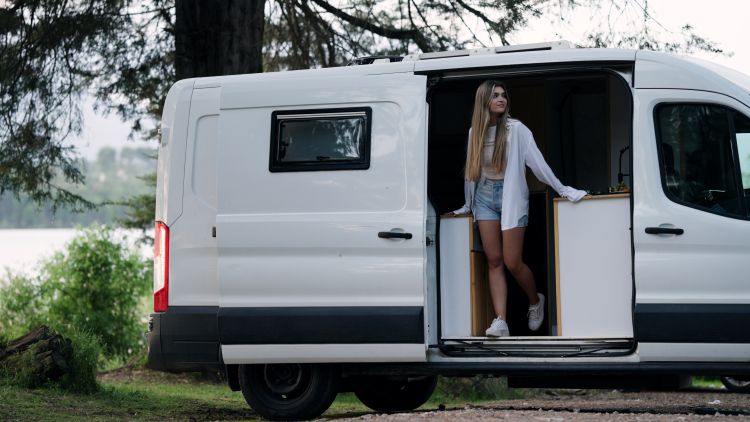
Full-time RV living can create more freedom, new scenery, and the opportunity to build a lifestyle around travel. It can also require more planning than many people expect. Living in an RV full time means managing a smaller space, planning travel days, and budgeting for changing expenses. You also need to stay on top of maintenance and find new ways to handle everyday needs like mail, internet, and health care.
A successful transition starts with learning about the realities of full-time RV living and the everyday adjustments. You need to understand what daily RV life will look like, choose a camper that supports your routine, and prepare for both the exciting and less glamorous parts of living on the road. Learn how to transition into RV living full time and prepare for a manageable life on the road.
Is Full-Time RV Living Worth It?
Full-time RV living can be worth it for people who value flexibility, travel, and a simpler, minimalistic lifestyle. It can give you more opportunities to explore new places, spend time outdoors, and change your surroundings without waiting for a traditional vacation. Almost 486K Americans live full-time in RVs, and most do so to save money, relax, and spend more time in nature, according to the RV Industry Association. While the rising costs of living are driving people into more simple and affordable housing solutions, full-time RV living is being pushed as an alternative that’ll allow you to increase your quality of life and opt out of the traditional American Dream, at least for a while. You can swap out a high mortgage rate for a more affordable RV payment and expensive city life with the freedom of the countryside.
The lifestyle does come with tradeoffs; less personal space, fewer storage options, and different maintenance responsibilities than a traditional home. It’s a great option for those who are interested in downsizing and living a minimalist lifestyle. You may need to plan around campground availability, internet coverage, weather, fuel costs, and regular RV maintenance and repairs. Social media often focuses on scenic campsites and beautiful destinations, but everyday RV life also includes laundry days, travel delays, and unexpected repairs. Being more intentional about learning about the reality of RV living can help you set realistic expectations before committing to the lifestyle.
Living in an RV full time may be a good fit for you when:
-
-
- You enjoy traveling
- You are comfortable living with fewer belongings
- You’re flexible and can handle changing plans
- You are willing to learn basic RV maintenance
- You can create a realistic travel and living budget
- You do not need a large amount of personal space
-
What I Wish I Knew Before RVing Full Time
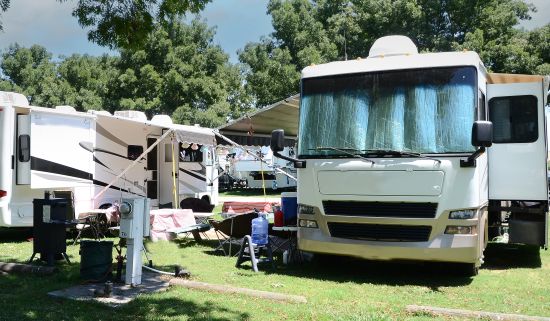
Many new RVers focus on choosing destinations and decorating their camper. These decisions matter, but your daily routine often has more impact on the entire RV experience. One of the biggest lessons is that living in an RV full-time still requires structure. You’ll still need time for errands, cleaning, maintenance, meal planning, work, and rest. Constant sightseeing can become exhausting if you start treating every day like a vacation or worse, a carefree vacation.
Travel days may also take more of your energy than expected. Driving or towing an RV requires focus, and setting up a campsite can take time after you arrive. Moving campsites too frequently can make full-time RV living feel rushed instead of freeing, causing you to feel overwhelmed. Some travelers live by the 333 Rule to maintain a slower lifestyle and schedule. The rule provides a simple framework for limiting long travel days, arriving earlier, and staying in one destination long enough to rest and explore.
Some full-time RVers are also shocked to learn that:
-
-
- Campgrounds can fill up faster and earlier than expected
- Internet service can change quickly
- Repairs can interrupt your carefully planned routes
- Small storage areas require regular organization
- Weather can and will affect your travel plans
- You do not need to visit every attraction in each destination
- Staying longer can be more affordable and less stressful
-
You can also learn from people who have already transitioned into full-time RV living and spent time on the road. Online communities and RV books cover topics like trip planning, RV ownership, budgeting, remote work, and adjusting to life in a smaller space.

How Much Does Full-Time RV Living Cost?
There is no single monthly price for how much full-time RV living will cost you. Costs depend on the type of RV you own, how often you move, where you stay, how you prefer to travel, and your personal cost of living. Someone who owns an RV outright and stays in one campground for a month may spend much less than someone with an RV payment who changes destinations every few days. Fuel, campground rates, food, entertainment, and maintenance are the main expenses associated with RV living, and they can vary significantly throughout the year. Before you make your budget, check out a more detailed breakdown of RV living costs.
How to Afford Full-Time RVing
Living in an RV full time is not automatically less expensive than living in a traditional home or apartment. It becomes more affordable when you make intentional decisions about your budget and lifestyle, considering your RV model and condition, traveling pace, and campground choices. Start by tracking your current spending and cost of living. Review housing, utilities, transportation, food, insurance, entertainment, and debt payments. Then compare and adjust those costs with your expected RV expenses to create a new budget for when you transition. Avoid building a budget around the best-case scenario; leave wiggle room in your budget. Fuel prices, repairs, campground rates, and health expenses can change. A realistic budget should include room for unexpected costs.
You may be able to reduce the cost of full-time RV living by:
-
-
- Staying longer at each campground
- Asking about weekly or monthly campground rates
- Traveling shorter distances
- Planning routes that reduce backtracking
- Cooking more meals in the RV
- Choosing free outdoor activities
- Purchasing a more affordable RV
- Building a separate RV maintenance and repair budget
- Working remotely or accepting seasonal side jobs
-
How to Choose the Best Camper for Full-Time RV Living
The right RV should support your everyday routine, not only your travel plans. A floor plan that feels spacious during a short walkthrough may become frustrating after several months if it lacks storage or comfortable seating. Consider how many people will live in the RV, how much time you will spend inside, and what types of destinations you want to visit. A larger RV may provide more living space, but it can also limit campground choices or, in return, increase your total RV costs.
Motorhomes can simplify travel days because the living and driving areas are connected. Towable RVs allow you to disconnect your truck or SUV and use it for local transportation. Fifth wheels often provide more interior space, while smaller travel trailers may be easier to tow and fit into smaller campsites. Test drive the RV before buying it to see how it handles on the road and how comfortable you feel behind the wheel. Pay attention to visibility, braking, turning, acceleration, noise, and your driving comfort level. A test drive can reveal handling concerns or layout issues that may not be obvious during a dealership walkthrough.
Important factors to consider when shopping for an RV:
-
-
- The number of travelers
- Your pets and children’s needs
- Sleeping arrangements
- Interior storage
- Outdoor storage
- Multiuse furniture
- Kitchen size
- Bathroom layout
- Laundry preferences
- Climate and insulation
- Tow vehicle capacity
- Maintenance requirements
- Purchase price and monthly RV costs
-

Living in an RV Full Time With Pets
Around 43% of RVers want to bring their pets along, but full-time RV living still requires thoughtful planning to keep animals safe and comfortable. Make sure you give your pet a familiar place to sleep, eat, and relax, and keep food, medications, identification, vaccination records, and emergency supplies organized. You should also check campsite pet policies before booking because some locations have leash requirements, pet limits, or breed restrictions. Controlling and monitoring the temperature inside your RV is also important since an RV can heat up quickly. Consider using a temperature monitoring system if you plan to leave your pets inside from time to time, or avoid leaving your pets alone without a backup plan. You should also consider making regular stops when traveling into your routine for pets to exercise, and how you’ll manage veterinary care while on the road full time.
Insurance for Full-Time RV Living
A standard recreational RV policy may not provide enough coverage when your RV becomes your primary residence. Before you start RVing full time, tell your insurance provider how you plan to use the RV so they can explain which coverage plans may apply.
Full-time RV insurance can include protections that are similar to parts of a homeowners policy, such as personal liability and coverage for belongings kept inside the RV. Coverage varies by insurer, your RV type, state of residence, and travel habits, so ask specific questions before choosing a policy like:
-
-
- Does the policy cover full-time occupancy?
- Is personal liability included?
- Are clothing, electronics, tools, and other belongings covered?
- Does the policy pay for temporary lodging after a covered loss?
- Is roadside assistance included?
- Does the insurance for the tow vehicle need to change?
- Are towing and emergency transportation included?
-
Full-time RV insurance should be part of your monthly budget. You may also need to review your health insurance, life insurance, vehicle insurance, and separate coverage for other valuable items.
How to Get Mail When Full-Time RVing
You’ll need a reliable way to receive important documents, vehicle registration notices, or packages while traveling. Common solutions involve using an RV mail forwarding service, setting up a virtual mailbox, sending mail to a trusted person, or using General Delivery services at a post office.
Mail forwarding services provide a consistent mailing address with features like envelope scanning, document storage, package consolidation, and scheduled forwarding. Compare the cost, security, forwarding frequency, scanning fees, and package limits before selecting a provider. You can also compare the best RV mail forwarding services to find an option that matches your travel habits and budget. Remember that receiving mail is different from establishing a legal domicile, which may affect your insurance, taxes, vehicle registration, and voting. Research the requirements carefully before choosing an address or solution.
How to Start Living Full Time in an RV
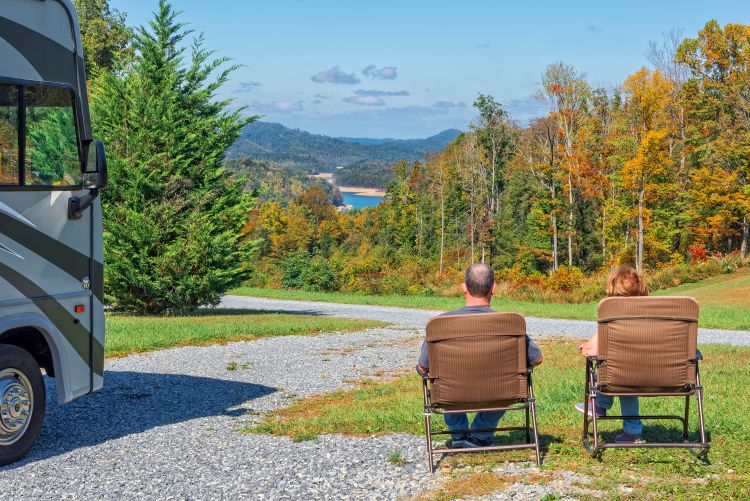
Being more mindful about your transition into full-time RV living can make the entire process easier. Start planning several months before your expected departure date if you can, and leave time to adjust your lifestyle, budget, and travel plans.
1. Define Your Version of Full-Time RV Living
Full-time RVing does not require moving constantly. Some travelers change campgrounds every few days, while others stay for several weeks or follow seasonal routes.
Ask yourself:
-
-
- How often do I want to move?
- Do I prefer campgrounds, public land, or a combination?
- Will I work, and will I work remotely?
- How close do I need to be to grocery stores and medical care?
- Do I want to follow warmer weather?
- How far am I comfortable driving in one day?
-
Your answers will influence the type of RV you choose, the budget you’ll need, and the destinations that best fit your needs and wants.
2. Create a Realistic Budget
Estimate both your fixed expenses, like your RV loan payment, and variable expenses, like groceries. Fixed costs may include RV payments, insurance, internet plans, storage, and debt payments. Variable costs may include campground fees, fuel, food, RV repairs, entertainment, and maybe laundry. Track your normal spending and living costs you plan to maintain after you begin living in your RV. Real numbers can reveal costs that are easier to overlook, such as propane, tolls, electricity fees, and maintenance supplies. Then you should create a separate emergency fund for repairs, unexpected travel changes, and unexpected life events.
3. Choose the Right RV
Compare RV types, floor plans, lengths, storage options, and expected maintenance needs of the models you’re shopping. Don’t choose to buy an RV based only on the maximum amount you can afford. This way, you’ll leave room in your budget for unexpected emergencies, repairs, and everyday living expenses. Think about how you’ll use space during regular days when you have to cook, clean, work, sleep, or wait out bad weather. Consider if you’ll need:
-
-
- A permanent bed or separate sleeping area
- A comfortable work area
- Extra pantry space
- Washer and dryer connections
- A larger refrigerator
- Storage for outdoor gear
- Space for pets
- Four-season insulation
-
4. Take an Extended Practice Trip
If you haven’t spent extensive time inside an RV, you should also take long-term practice trips to understand what living in an RV full time will feel like. Try to spend at least two weeks or longer in an RV before making a permanent transition into being a full-time RVer. Reflect on your experience and note what works, what feels inconvenient, and what things you need or don’t need to sustain your day-to-day life. This will give you more perspective on your needs and help you make better decisions before moving into the RV full time.
5. Slowly Downsize
Downsizing often takes longer than most people expect. Start with belongings you rarely use and work through one room or section of your items at a time. Sorting items into categories for bringing, selling, donating, storing, digitizing, or reviewing later is a suggested downsizing tip that most people find effective. Measure your RV’s storage cabinets, closets, drawers, and exterior compartments to get an idea of how much you can actually bring with you before deciding what to pack. You should also prioritize items that serve more than one purpose. Avoid filling every storage area immediately because you’ll need space for food, tools, seasonal clothing, maintenance supplies, and future purchases. If you’re downsizing significantly, having a small storage unit may be useful during the transition, but it would add to your monthly costs.
6. Prepare for Internet and Remote Work
Internet access can vary greatly between campgrounds and destinations. A strong phone signal does not always mean you will have enough speed for video calls, large uploads, or remote online work. Many full-time RVers use more than one connection option, including cellular hotspots, plans from multiple carriers, campground Wi Fi, satellite internet, public libraries, and coworking spaces. Before booking a campground, check cellular coverage maps and recent guest reviews. Ask the campground about whether their Wi Fi reaches the individual campsites. If you’re working out of your RV, you should also have a backup plan for important meetings or deadlines.
7. Prioritize RV Maintenance and Repairs
As you transition into full-time RV living, your RV becomes both your home and maybe your primary form of transportation. Addressing maintenance issues regularly and in a timely manner can help prevent more complex breakdowns, permanent water damage, and costly repairs while you are on the road. Schedule a professional RV inspection and complete any recommended repairs before moving in full time, especially if your RV is preloved. Pay close attention to the tires, brakes, wheel bearings, seals, batteries, plumbing, appliances, safety alarms, hitch components, and heating and cooling systems. If you have one, you need to also confirm that your tow vehicle is properly rated and maintained for the weight of your towable RV.
Create a regular maintenance schedule and set aside money each month for repairs. You should also keep essential tools and supplies accessible. Staying ahead of small issues can make full-time RVing safer and help prevent costly disruptions on the road.
8. Plan a Manageable First Route
Avoid planning an aggressive travel schedule during your first few months. Give yourself time to learn the RV and improve your routines. The 333 Rule for RVing can provide a helpful starting point for shorter driving days and longer stays. You can then adjust the rule based on your experience and comfort. Choose your first destinations based on more than attractions, considering:
-
-
- Site length and hookups
- Seasonal weather
- Fuel stops
- Grocery stores
- Pet services
- Cell service
-
Reserve your first several campgrounds before departure. A basic plan can reduce stress while you adjust to full-time RV living.
9. Keep Learning
You do not need to understand every part of RV ownership before getting started, but you should know where to find reliable help. Save maintenance manuals, download campground apps, follow travel guides and vloggers. You should also take advantage of RV groups to connect with and learn from other travelers.
Start Building a Sustainable Full-Time RV Lifestyle
Full-time RVing becomes more manageable when you create a routine that balances travel with your everyday responsibilities. Give yourself time for work, rest, and maintaining your life instead of treating every day like a vacation. Staying longer at each destination can also reduce fuel costs, lower travel fatigue, and help you settle into a more comfortable pace.
Remember, you do not need to follow someone else’s version of RV life. Start slowly, leave room for unexpected repairs or weather changes, and adjust your routine as you learn what works best for you. With realistic expectations, thoughtful planning, and a flexible mindset, you can build a full-time RV living experience that supports your travel goals and growth.