Why RV Insurance Is A Must-Have
Owning an RV is an exciting adventure that opens up endless opportunities for travel and exploration. However, it also comes with responsibilities, especially when it comes to protecting the large investment that is your RV. An important aspect of RV ownership is getting insurance for unexpected events like accidents, theft, and event storms. Having RV insurance protection for storms is especially important for those who live in areas where storms are common. Learning more about RV insurance coverage options, specifically regarding storm and water damage, can help you recover financially from the unknown.
Does RV Insurance Cover Storm Damage?
RV insurance normally covers a wide range of storm-related damage. This protects your RV from unpredictable weather conditions. Specifically, comprehensive coverage is essential in safeguarding your RV during severe weather and can include coverage for:
Hail Damage
Hail can significantly dent and damage the outside of your RV. Comprehensive insurance generally covers the cost of repairs or replacements needed due to hail impacts. This includes any replacements you need for panels and possible services to remove small imperfections from storms.
Wind Damage
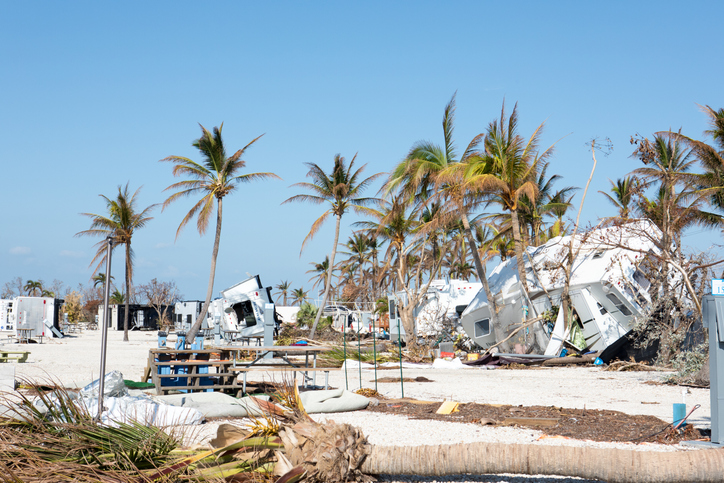
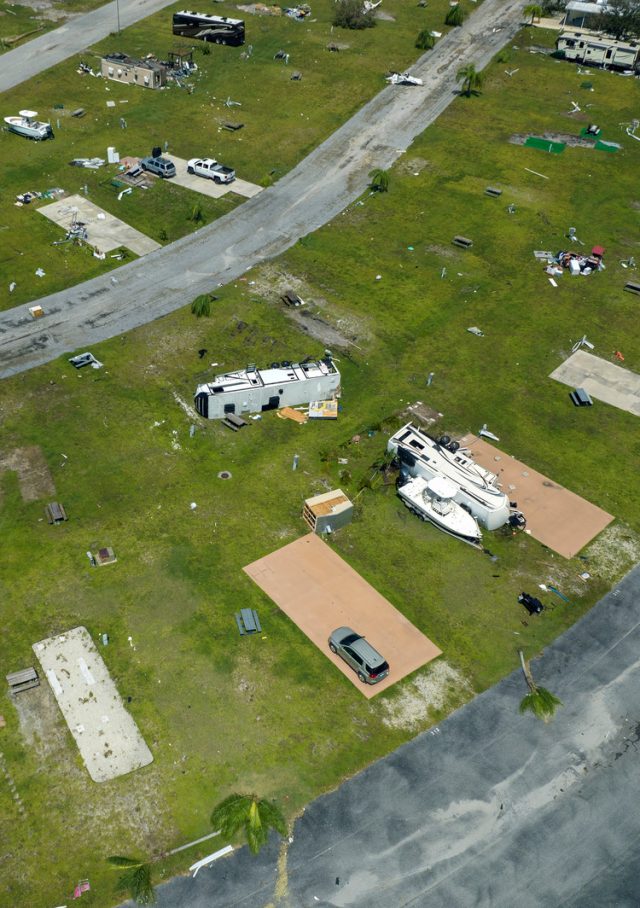
High winds during storms, like hurricanes or tornadoes, can cause trees or large debris to fall on your RV. Or, in extreme cases, high winds can flip or topple your RV. If your RV is caught in a windstorm, comprehensive coverage will help cover the costs of repairing any structural damage. You can also look into other coverage options, including windshield coverage. Some windshield insurance policies even include a $0 deductible option.
Flooding
If your RV is submerged or damaged by floodwaters during a storm, comprehensive insurance may help cover the cost of RV repairs. However, flood insurance can be excluded from comprehensive policies. Providers often limit coverage for flooding caused by certain natural disasters, like flash floods or storm surges from hurricanes. If you live in a flood area, you should double-check and make sure your policies include flood coverage. In some cases, you might need separate flood insurance.
Just remember that not all policies cover all types of storms. For example, some insurers exclude damage caused by hurricanes, notably in high-risk areas. Discuss your policy thoroughly with your provider to confirm whether specific storm-related damages are covered.

When to Upgrade Your RV Coverage
Whether RV insurance covers storm damage or not depends on the type of coverage you have. Standard liability insurance typically covers damage caused by car accidents or theft. However, it may not protect you from storm damage from hail, wind, or flooding. If you live in or frequently travel through stormy areas, upgrading to comprehensive coverage is a good idea. This will ensure you’re fully protected.
Comprehensive RV insurance will cover a wide range of storm damage. This includes coverage from falling trees to severe wind damage, which standard policies often exclude. Also, if you’re in an area prone to natural disasters, consider adding specific riders for even more coverage. Upgrading your RV insurance gives you peace of mind. Take time to make sure you have the right RV insurance that meets your coverage needs and budget. Comprehensive protection or the inclusion of riders may be necessary to keep your RV safe during extreme weather.
Does RV Insurance Cover Water Damage?
How Water Damage Occurs in RVs
Water damage in an RV can occur in several ways. Heavy rain, flooding, or even snowmelt can cause water to enter your RV. Broken seals lead to issues like leaking roofs and water seeping through windows and panels. In flood-prone states like Louisiana, Florida, and Washington, RVers are especially vulnerable to water damage from flash floods and heavy rainfall. If you’re wondering, “Does RV insurance cover water damage?” the answer depends on the cause. For example, comprehensive insurance may cover the damages if a water leak results from a storm or flood. However, standard liability policies typically don’t. Understanding whether your policy includes protection against water damage and storm damage is vital. This is especially important if you live in regions known for floods or storms. Comprehensive coverage is your best bet for protection from water-related issues caused by natural disasters or severe weather.
How Does RV Insurance Cover Storm Damage?
The Process of Filing a Claim
Filing a storm or water damage claim to your RV may seem overwhelming, but understanding the process makes it easier. Here’s how the claims process works to get RV insurance to cover water damage:
1. Document the Damage
Start by taking clear photos of all visible damage to your RV, including the exterior, interior, and any affected parts. This documentation will be required for your claim.
2. Notify Your Insurance Provider
Report the damage to your insurance provider as soon as possible. Timely notice will speed up the claims process. Also, be prepared to give a detailed description of how the damage occurred.
3. Inspection & Estimate
An insurance adjuster will likely inspect your RV to evaluate the damage. They will provide an estimate of the repair costs, which helps determine whether RV insurance covers water damage and your reimbursement.
4. Repair Process
Once your claim is approved, you’ll receive instructions on how to proceed with RV repairs. Your insurance may recommend a repair shop, or you may need to take your RV to an approved facility.
Remember, your deductible will affect how much you’re reimbursed for. Your deductible will reduce the reimbursement amount, so read the fine print. By following these steps, you can navigate the claims process more smoothly.

Yes, RV Insurance Can Cover Storm Damage
Comprehensive coverage is often the most reliable option for RV owners who want protection against a variety of risks, including storm and water damage. However, it’s also essential to regularly review your insurance policy to ensure you have the coverage you need.
Before the storm season begins, take the time to evaluate your RV insurance policy and make sure you’re adequately covered. Consider upgrading your coverage or adding specific riders to protect you and your RV. Don’t wait for disaster to strike—taking these proactive steps will help ensure your RV is fully covered when you need it most.