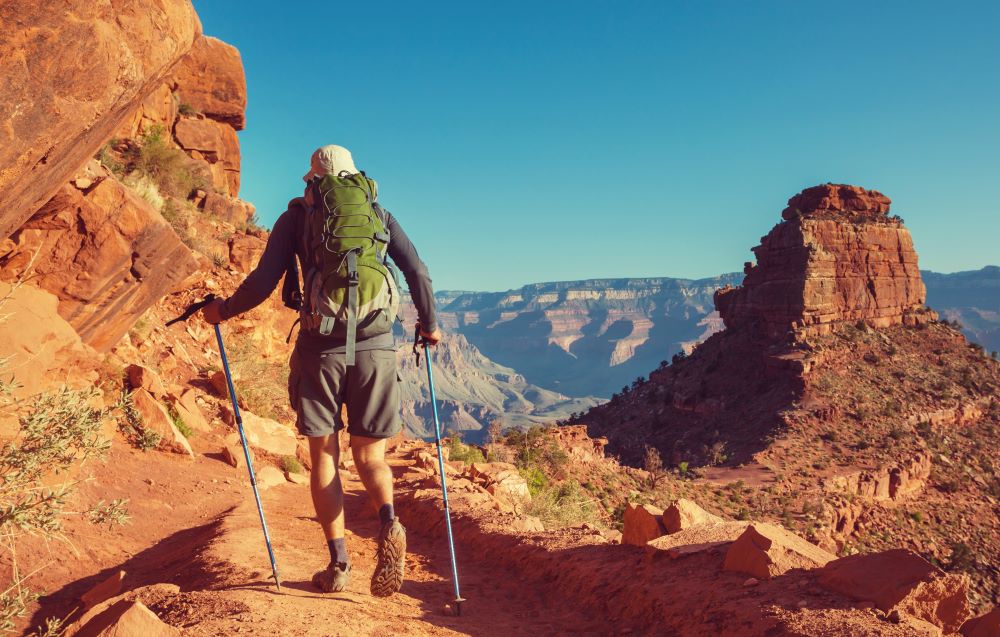
6 Must-Visit Hiking Destinations in Arizona
Camelback Mountain – 1.3 or 2.6 Miles
Phoenix
⭐ For fitness enthusiasts or rock climbers who want to watch the sunset or sunrise
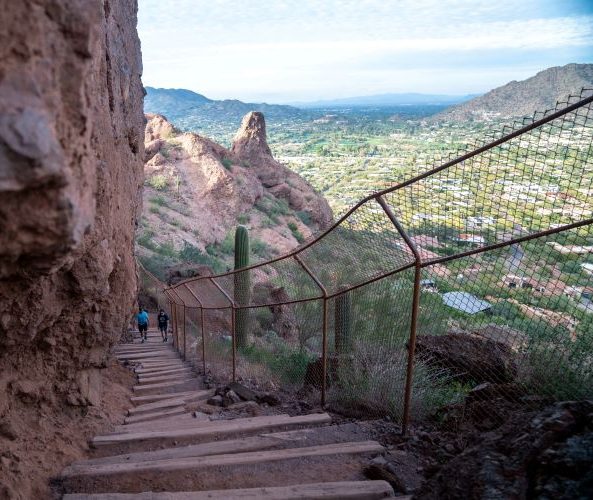
One of the best hiking trails in Arizona is Camelback Mountain. Known for looking like the hump and head of a kneeling camel, It’s a must for hikers visiting Phoenix. The steep and challenging trails reward visitors with a spectacular 360-degree city and summit view. It’s not recommended for beginner hikers since it’s one of the highest peaks in the city with a 2,704 feet elevation. Hiking the mountain also requires you to climb rocks and boulders.
Cholla Trail (1.5 miles one way): A less steep but longer climb, offering a more gradual ascent.
Echo Canyon Trail (2.6 miles one way): A steeper, rockier route with a parking lot, bathrooms, and water fountains at the trailhead.
Both trails require some rock scrambling, so if you’re looking for a fun challenge, visit this Arizona hiking destination. We recommend hiking early in the morning or late in the afternoon to avoid Arizona’s smoldering heat.
Piestewa Peak Summit Trail – 2.2 Miles
Phoenix
⭐ For travelers looking for a less crowded alternative to Camelback
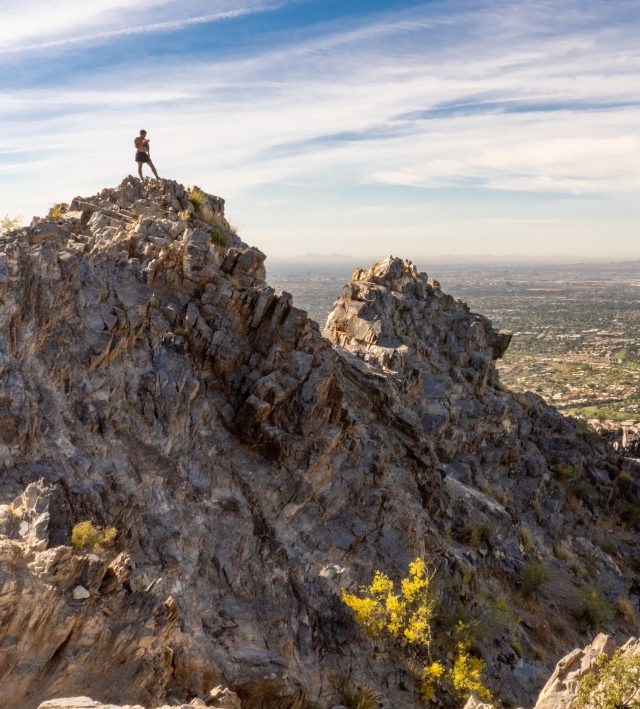
Piestewa Peak is another popular Arizona hiking destination located in the Phoenix Mountain Preserve. This 2.2-mile out-and-back trail features steep switchbacks and mountainside stone steps and attracts more than 200,000 hikers a year. This peak is perfect for intermediate to advanced hikers and offers you a 360 view of the city just like Camelback Mountain. This hiking destination was named after Lori Ann Piestewa in 2003, the first Native American woman to die in U.S. military combat. The peak is also known for its quick elevation gain reaching 1,200 feet in just 1.1 miles. Here you’ll hike to the second-highest point in Phoenix. Plus, the Phoenix Mountain Preserve spans 7,000 acres and includes several other hiking and biking trails.
Bright Angel Trail – 7.8 Miles
Grand Canyon National Park
⭐For experienced hikers who want to photograph the Grand Canyon
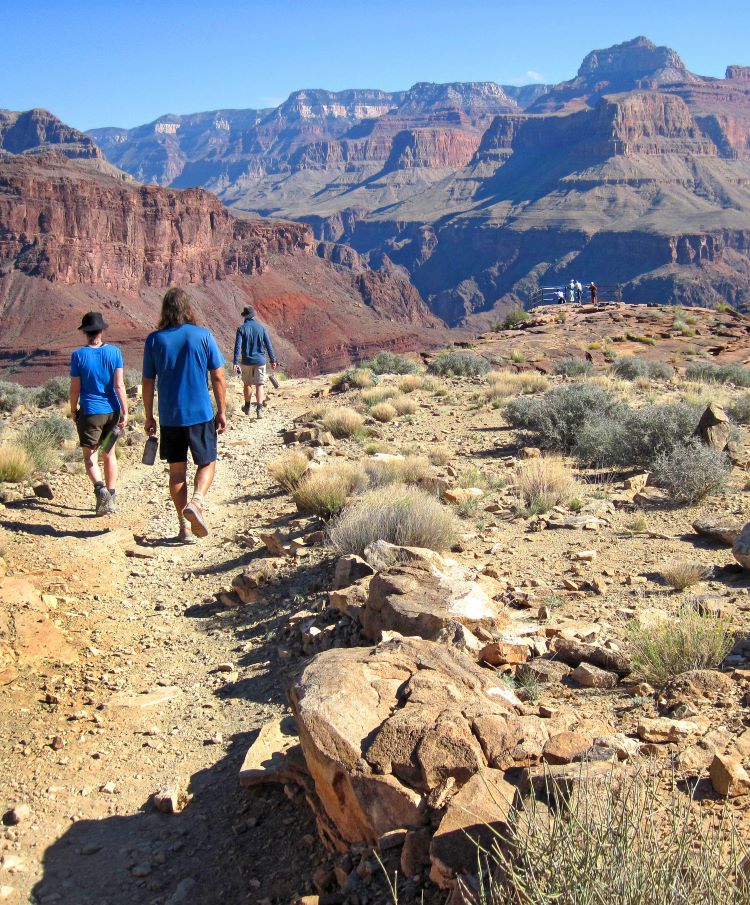
For a truly unforgettable hiking destination in Arizona, the Bright Angel Trail takes you deep into the Grand Canyon. The trail starts from the South Rim of the canyon near Bright Angel Lodge. The hike is very strenuous and is one of the most famous hikes in the canyon. This 7.8-mile trek leads to the Colorado River with incredible views of the canyon walls and rock formations. There is also a Mile-and-a-Half Resthouse hikers can stop at as they tackle this long hike. The trail also follows an ancient Havasupai path used by Indigenous people that’s brutal but worth every step according to visitors. So, pack intentionally bringing trekking poles to help you along the way.
Looking for more outdoor destinations?
Devil’s Bridge Trail – 4.6 Miles
Sedona
⭐For casual hikers who love Arizona desert flora and fauna
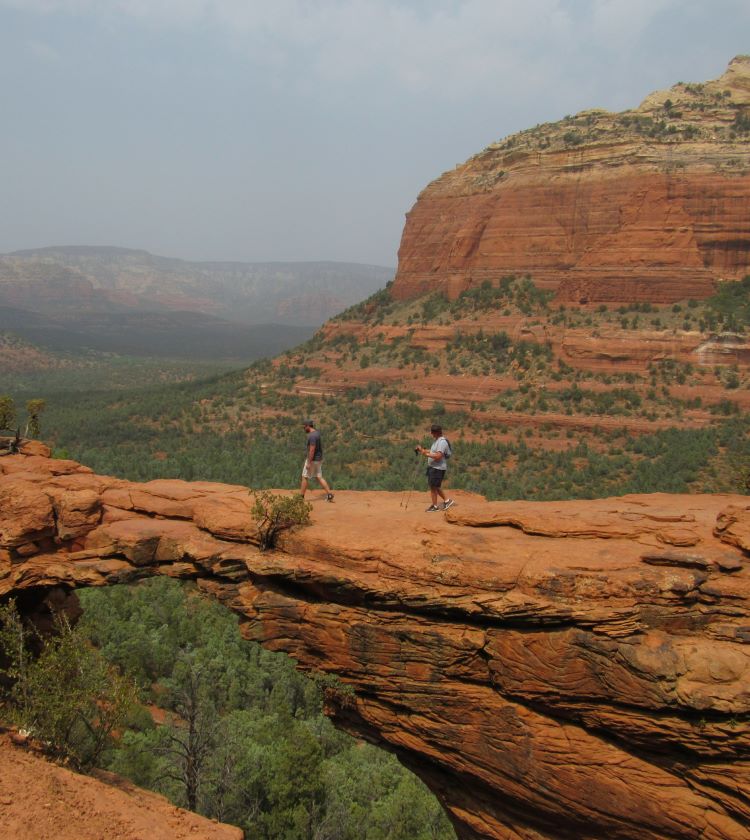
Devil’s Bridge Trail is a round-trip hike that leads to a stunning sandstone arch within the Coconino National Forest. Starting from the Mescal Trailhead, the route winds through the red rock landscapes of Sedona with an epic payoff. The end of the trail includes rock scrambling and a bridge for panoramic views of Sedona. If you start from the Mescal Trailhead, the hike is 4.6 miles roundtrip. However, with an off-road vehicle, you can park by Devil’s Bridge trailhead on Dry Creek Road to only hike 2 miles. While there you can also explore the Coconino National Forest. Home to 928,000 acres of protected land in Northern Arizona.
Antelope Canyon – 0.5 or 6.5 Miles
Page
⭐For a once-in-a-lifetime hiking experience
Antelope Canyon is one of the most unique hiking trails in Arizona, featuring narrow sandstone passageways and wavy rock formations. The Canyon is on tribal land, so you’ll need a Navajo guide to hike it but it’s a once-in-a-lifetime experience. Plus, it’s divided into two: Upper Antelope Canyon and Lower Antelope Canyon trails. The Upper Antelope Canyon is the easiest part to hike with a flat walk through a narrow passage. The Upper portion is very popular and you can expect a crowd. The lower canyon is more Adventurous but you won’t see the light beams like in the upper canyon.
Upper Antelope Canyon (0.5 mile one way): The most popular section, known for its famous light beams and photography opportunities.
Lower Antelope Canyon (6.5 miles one way): A more adventurous option with ladders and narrower passageways.
Coyote Buttes North (The Wave) – 6.6 Miles
Vermilion Cliffs National Monument
⭐For nature lovers who love roaming untouched landscapes and the remote wilderness
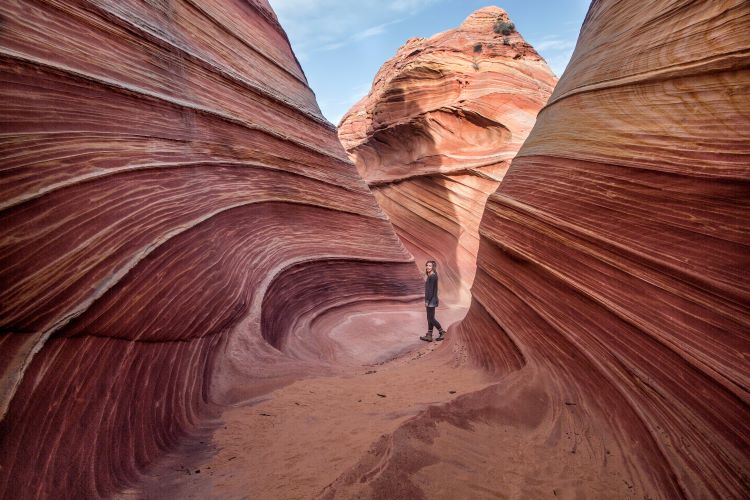
The Wave is a surreal sandstone rock formation that looks like it belongs on another planet. It’s a 190-million-year-old sandstone rock. The rippling, wave patterns were formed by wind and water erosion dating back to the Jurassic period. It’s one of the most exclusive and best hiking trails in Arizona, with only 64 permits available per day. Like the Antelope Canyon, getting a permit at the Vermilion Cliffs National Monument is a rare opportunity. While worth the wait, tens of thousands of people apply for the permit every year. Most hikers apply multiple times before winning a spot and the key to success is applying for multiple dates. If you’re lucky enough to get a spot, be prepared for an unmarked trail requiring you to use a GPS or compass. Hiking the wake is perfect for travelers who want to explore freely.
Heading north after the Grand Canyon? ⛰️
Essential Hiking Tips for Arizona Trails
Before heading out to explore the best hiking trails in Arizona, you need to prepare. Arizona’s rugged desert landscapes, high elevations, and extreme heat can make hiking a challenge. Follow these tips in mind for a safe and enjoyable hike:
Start Early or Late
Stay Hydrated
Wear & Pack Proper Gear
Watch for Wildlife
Know Your Route
Best Time of Year to Hike in Arizona
Arizona offers year-round hiking, but some seasons are better for certain trails:
Spring
(March-May)
Perfect for wildflower blooms and moderate temperatures. Popular hiking trails in Arizona during the spring season include the Superstition Mountains, Devil’s Bridge, and Bright Angel Trail.
Summer
(June-August)
Best for high-elevation hikes in Flagstaff, Sedona, and the Grand Canyon. Try to avoid low-desert hikes near Phoenix and Tucson due to extreme heat.
Fall
(September-November)
Cooler temperatures and changing leaves make fall perfect for hikes in Oak Creek Canyon, Havasupai Falls, and South Mountain Park.
Winter
(December-February)
You can enjoy snowy deserts and peaks with fewer crowds. Winter is great for hiking in Saguaro National Park, Catalina State Park, and Chiricahua National Monument.
Explore More Arizona Hiking Destinations
Arizona is a hiker’s paradise full of stunning rock formations and unforgettable views. Whether you’re scaling Camelback Mountain or the depths of the Grand Canyon, you’ll love these destinations. As some of the best hiking trails in Arizona, these trails promise adventure. RV traveling allows you to enjoy Arizona’s top hiking destinations at your own pace. After a long day on the trails, you can return and relax in your home-on-wheels. Before you hit the trails, make sure to plan ahead—packing plenty of water and gear. No matter where you hike, Arizona’s trails offer an incredible outdoor experience. So, challenge yourself and witness some of the most breathtaking scenery in the state.