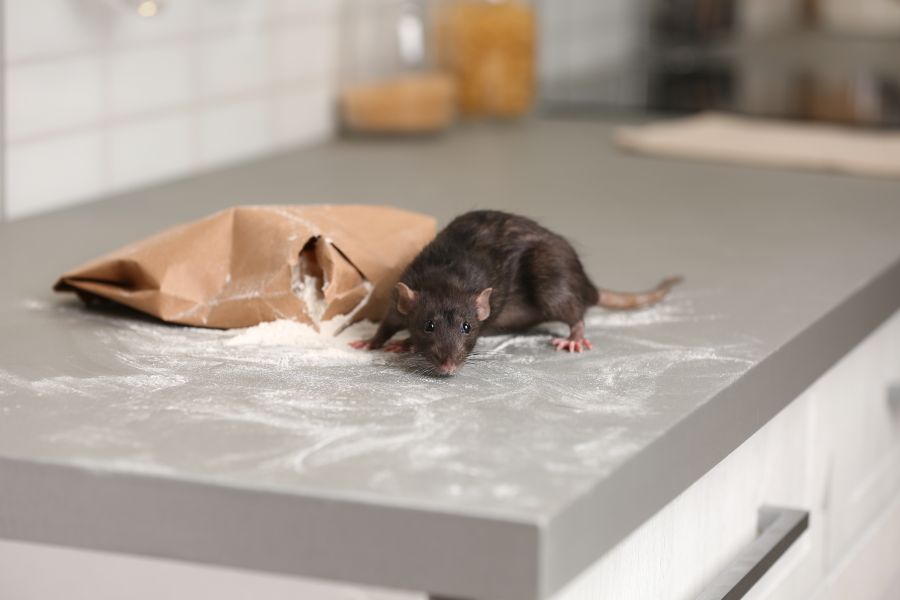
Nothing disrupts an RV adventure quite like discovering that mice have made themselves at home inside your motorhome or towable RV. These small rodents are a common issue for RV owners, and their presence can lead to serious problems. Chewed electrical wires, spoiled food, foul odors, and hidden nests often result in expensive repairs and lost travel time.
The most effective approach is prevention. Stopping mice before they move in is easier and less costly than dealing with the damage they cause, especially without RV insurance. By learning what attracts them, how they get inside, and which deterrents work best, you can safeguard your RV and travel with peace of mind.
Simple Ways to Prevent Mice In Your RV Before They Move In
The best way to deal with rodents is to stop them before they ever get inside. A few simple precautions can save you the hassle of cleaning up damage and the expense of repairs later on.
Why Mice Invade RVs in the First Place
Before you can keep mice out, it helps to understand why they’re drawn to RVs. Once you know what attracts them and how they get inside, you can take steps to make your RV far less appealing.
What Attracts Mice in an RV?
Mice are opportunistic creatures that search for three main things: food, shelter, and nesting materials. An RV offers all of these in one convenient package. Any unsealed food or crumbs left behind can serve as a reliable food source. Soft materials like paper towels, insulation, or fabric are perfect for building nests. On top of that, an RV provides a safe, enclosed environment that protects them from predators.
The attraction is even stronger during colder months. When temperatures drop, mice look for warm places to escape the cold, and the insulation inside an RV makes it an ideal refuge.
How Do Mice Get Into an RV?
Even though RVs look sealed from the outside, mice can squeeze through openings as small as a dime. Common entry points include the underbelly, where plumbing and wiring often leave gaps. Slide-outs can also leave small spaces that rodents take advantage of. Vents, utility hookups, and other exterior ports provide additional access points. Once inside, mice can move quickly through walls, storage bays, and ducts, making them hard to detect until the damage is done.
Signs of a Mouse Infestation in Your RV
Sometimes mice sneak in despite your best efforts, and the sooner you spot them, the easier it is to deal with the problem. Keep an eye out for these common warning signs:
- Droppings are scattered in cupboards, drawers, or along baseboards
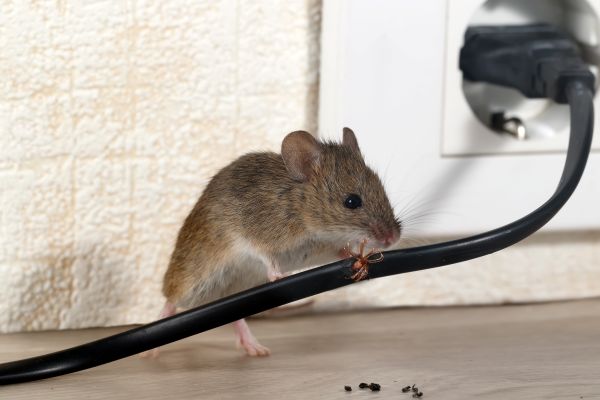
- Chewed wires or insulation can lead to costly repairs
- Nesting materials such as shredded paper, fabric, or insulation tucked into hidden spaces
- Foul odors caused by urine or droppings that linger in enclosed areas
- Strange noises at night, including scratching or scurrying inside walls or storage compartments
Even one or two of these signs is enough reason to take action before the infestation gets worse.

How to Keep Mice Out of RV Before They Get In
The most effective way to deal with mice is to stop them from entering in the first place. A combination of sealing off entry points, eliminating attractants, and using deterrents will give you the best results.
Seal RV Entry Points
Start with a thorough inspection of your RV’s undercarriage, vents, and utility hookups. Even the smallest gaps can serve as an open door for mice. Use materials like steel wool, expanding foam, or metal mesh to plug holes. These options are tough for rodents to chew through and create a strong barrier against future intruders.
Eliminate Food Sources
Food is one of the biggest reasons mice move in. Store dry goods and snacks in airtight containers, and avoid leaving anything in bags or cardboard boxes that can be chewed open. Make it a habit to sweep up crumbs and clean spills immediately so there’s nothing to attract curious rodents.
Try Using Natural Repellents to Prevent Mice
Some RV owners swear by natural deterrents. Cotton balls soaked in peppermint oil give off a scent that mice dislike. Dryer sheets, cloves, or mothballs can also discourage rodents from nesting in certain areas. While these aren’t always foolproof, they add an extra layer of protection when used along with sealing and cleaning.
Try Electronic Deterrents
Technology can also help in the fight against mice. Ultrasonic devices emit sounds that are unpleasant to rodents but undetectable to humans. For outdoor protection, motion-activated lights placed under the RV can scare off pests and reduce their interest in lingering around your vehicle.
How to Mouse-Proof Your RV Long-Term
Preventing mice isn’t just a one-time task. Consistent habits and a little preparation go a long way toward keeping your RV protected year after year.
Perform Regular RV Inspections
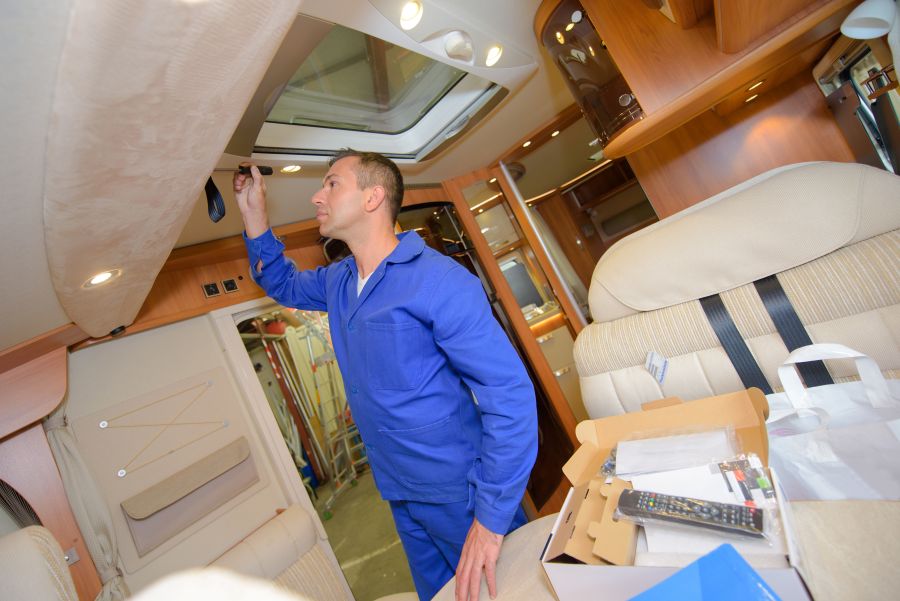
Set a reminder to check your RV once a month, especially if it’s in storage or parked for long periods. Inspect the underbelly, cupboards, and storage bays for new gaps or chew marks. Catching small problems early helps you avoid costly repairs later.
Rodent-Proofing Materials to Keep on Hand in Your RV
Keeping a basic kit of supplies makes it easier to seal up openings as soon as you notice them. Useful items include metal flashing, expanding foam, and sealant tape. With these tools ready, you’ll be able to reinforce vulnerable areas on the spot.
Store Smartly
Where and how you park your RV also matters. Try to avoid storing it near tall grass or wooded areas that naturally attract rodents. If possible, choose a concrete pad for parking, which gives pests fewer opportunities to burrow underneath. Adding RV skirting can also help reduce access to the underside of your rig, cutting off one of the most common entry points.

How Do You Get Rid of Mice in an RV?
Even with the best prevention, sometimes mice still find their way in. When that happens, it’s important to remove them quickly and safely before they cause more damage.
Safe and Effective Mice Removal Methods
The most common option is the traditional snap trap, especially when baited with peanut butter. It’s inexpensive, effective, and gives you clear results. Another method is a bucket trap, which allows you to catch multiple mice without constant resetting and is often more humane.
Avoid glue traps and poison. Glue traps are inhumane, and poisons create risks for pets, children, and even the RV itself. Poisoned mice often crawl into hidden areas before dying, leaving behind foul odors and potential health hazards.
Clean-Up Protocol
Once the mice are gone, it’s important to clean up carefully to protect both your health and your RV. Always wear gloves when handling traps or cleaning droppings to avoid exposure to harmful bacteria. Disinfect all affected areas thoroughly, including cupboards, drawers, and any surfaces where rodents may have traveled.
Finally, take time to inspect your RV for damage. Chewed wiring and insulation are common after an infestation and can pose serious safety risks if not repaired right away. Addressing these issues early helps you avoid more expensive repairs later.


Seasonal Tips – How to Keep Mice Out of RV in Winter
Mice are a year-round problem, but the risk goes up significantly in winter. As temperatures drop, rodents instinctively look for warm places to shelter, and an RV offers everything they need: warmth, food crumbs, and plenty of hiding spots. If you store your RV during the colder months, it becomes even more vulnerable because pests have uninterrupted access.
To lower your chances of a winter infestation, consider these steps:
- Apply rodent repellent spray along the tires, jacks, and stabilizers. These are common “climbing points” for mice to reach your RV.
- Remove soft furnishings such as cushions or bedding before long-term storage, or store them sealed with dryer sheets to deter nesting.
- Add skirting or a rodent barrier around the base of your RV. Not only does this help with insulation in cold weather, but it also reduces access underneath, one of the easiest entryways for rodents.
- Check the RV regularly during storage. Even if you’ve sealed everything, monthly walk-throughs help you spot early signs of activity.
Winter-proofing your RV against mice requires a little extra work up front, but it can save you the expense and frustration of dealing with chewed wiring or contaminated storage spaces once spring arrives.
Does RV Insurance Cover Rodent Damage?
Many RV owners are surprised to learn that standard insurance policies typically do not cover damage caused by rodents. Chewed wiring, damaged insulation, or ruined interiors are usually considered maintenance issues rather than accidents or insurable events. Unfortunately, this means that repairs for mouse damage often come out of pocket, and the costs can be significant.
For peace of mind, it’s worth reviewing your current policy and asking your insurer about pest-related coverage and an RV insurance quote. Some companies now recognize the impact rodents can have on RVs and offer protection as an optional add-on. That’s why it’s worth asking your insurance company if they offer pest coverage as an add-on. Some do, and it can really help if you ever end up with an infestation.
FAQs About Mice and RVs
Got questions about mice and RVs? You’re not alone. Here are some of the most common things RV owners want to know.
How do mice get into RV ceilings?
Mice are resourceful climbers and can squeeze in through small openings. In RVs, they often find their way into the ceiling through vents, air conditioning units, or gaps left around wiring holes.
Do lights under an RV keep rodents away?
Lights might make your RV less attractive to some animals, but they’re not a guaranteed fix. A determined mouse won’t always be scared off by a light, so it’s better to use them along with sealing and repellents.
Can mice damage RV wiring and insulation?
Yes, and it can be serious. Rodents chew through plastic, insulation, and even electrical wires. That kind of damage isn’t just expensive to repair—it can also create fire hazards if left unchecked.
Do Dryer Sheets Repel Mice?
Dryer sheets may keep mice away for a short time because of their scent, but the effect doesn’t last. Once the smell fades, mice might even shred the sheets and use them as nesting material. They’re best used as a supplement, not your only line of defense.
Are Any RV Models Mouse-Proof?
The short answer is no. No one RV is completely mouse-proof. Mice are small, determined, and can squeeze through openings you’d never expect. That said, some RVs are built in ways that make them harder for rodents to infiltrate.
Class A and Class B motorhomes are a good place to start since they tend to be more tightly sealed than travel trailers or fifth wheels. RVs with fully enclosed underbellies also offer an advantage. When the underside of the rig is sealed off and insulated, mice have a much harder time finding a way in through open plumbing or wiring.

Even with these features, prevention is key. The best defense is a proactive approach.
If you’re shopping for a rig that’s naturally more resistant to rodents, check out Class A RVs for sale or Class B RVs for sale. Pairing the right RV features with smart prevention habits will make your motorhome far less appealing to unwanted guests.