
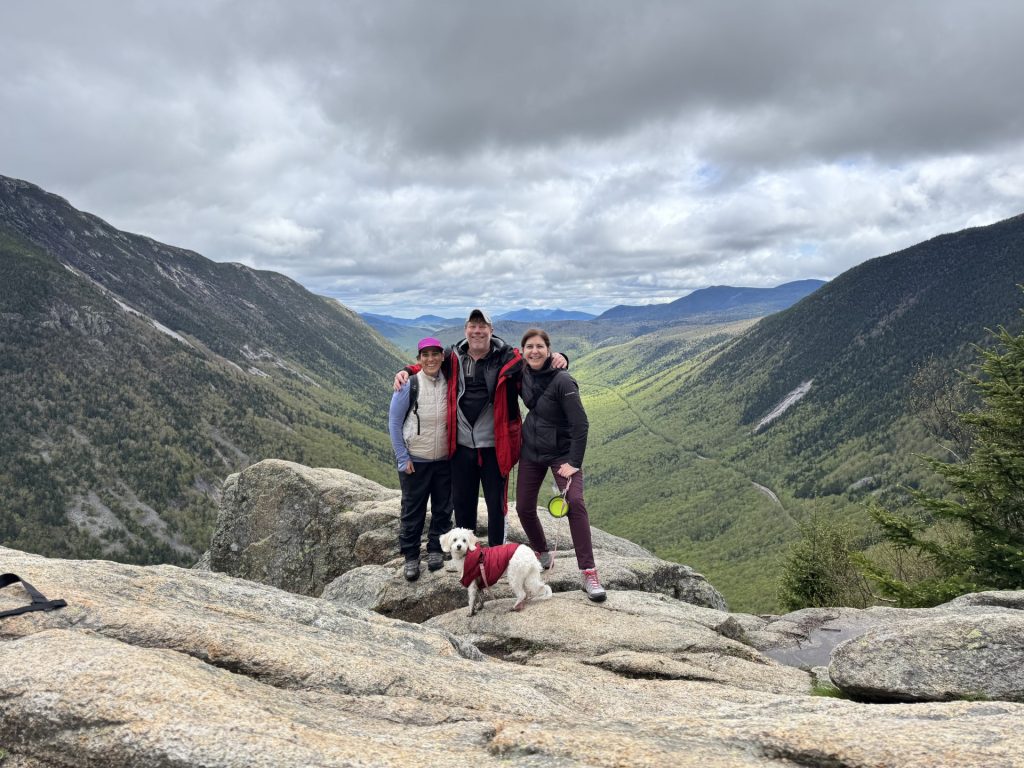


Meet Our Guest Contributor: Melinda Szekeres
Founder & Writer | RV Explorer Journey
I’m the founder and writer behind RV Explorer Journey, where I share practical guides for RV travelers and people getting ready for their RV trips. I enjoy researching and planning trips, finding great places to stay, and learning all the little things that can make traveling by RV easier. I started the website because I wanted to put what I learn in one place and help other travelers feel more prepared when they hit the road.
When I’m away from my keyboard, I love being outdoors, exploring new places, hiking, and spending time in nature with my loved ones. For me, one of the best things about RV travel is the freedom to slow down, change plans, discover somewhere new, and enjoy the journey on my own schedule.
Here is where I started my adventure.
RV camping is one of the best ways to explore America, but your first RV road trips require careful planning to choose safe routes and find the best places to stay.
Booking campsites sounds simple until you actually start looking at the options. At first, it can seem like you just need to find a campground in a beautiful location, choose a date, and make a reservation. But there are a lot of small details that can turn booking into an expensive or frustrating mistake.
I’ve put together seven mistakes I think first-time RVers should avoid when booking their campsite. None of them are particularly complicated, but knowing about them before you make a reservation can save you money, time, and a lot of unnecessary stress.
It’ll also help you explain your needs to RV park folk when booking across the country. For example, knowing your RV’s actual length, the type of electrical hookup you need, road restrictions, campground fees, cancellation policies, and even the distance from the activities you really want to enjoy can make a big difference in your first road trip.
1. Booking a Site Without Knowing Your Actual RV Length
One of the quickest ways to ruin the start of a trip is rolling into a campground only to find out your rig physically doesn’t fit the site. Many campgrounds, especially state and national parks, have strict size limits. If you’re too long for the driveway, you’ll end up hanging out into the road, blocking neighbors, or worse, getting turned away at the gate with no refund.
Even if you manage to squeeze in, misjudging your dimensions makes parking a nightmare. You risk scraping awnings on low-hanging branches, hitting utility pedestals, or realizing your slide-outs can’t extend because a tree trunk is in the way.
Why Manufacturer Specs Can Be Misleading
Don’t rely only on the brochure or your RV’s model number. Manufacturer specifications rarely include real-world additions like rear ladders, spare tire mounts, bike racks, and front hitches.
How to Measure Your Rig Correctly
Grab a tape measure before you book your first spot. You need two separate numbers ready when filling out reservation forms:
- Trailer/Coach Length: The full length of your RV, including anything extending beyond the front or back (like cargo boxes, ladders, or spare tires).
- Total Hitched Length: Your entire setup while hooked up, from the front bumper of your tow vehicle to the very back edge of your trailer.
I always like to leave myself a few feet of buffer room when booking. Having extra space makes backing in so much easier, ensures your slide-outs and basement storage doors can open fully, and saves you from doing acrobatics with your utility hoses just to reach the sewer connection.
2. Choosing the Wrong Electrical Hookups
One thing I learned is that I should never assume the electrical hookup will automatically work for everything I want to use. Trust me, pulling into a site after a long drive only to realize your plug doesn’t match the outlet or that you can’t run your air conditioner is a quick way to ruin a trip.

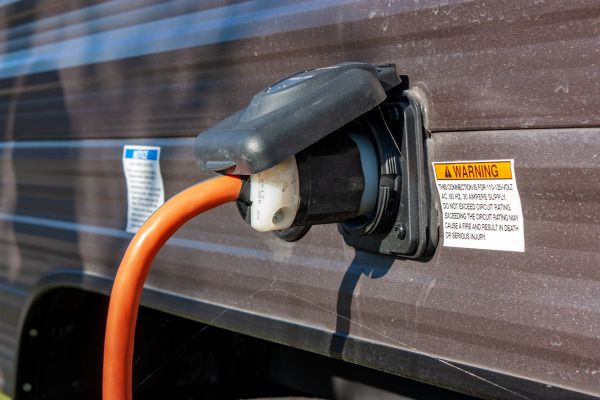
I’ll admit, the electrical setup took me some time to understand. As a woman who had never dealt with any of this before, it probably took me twice as long just to figure out what everything meant. Even something as simple as “full hookup” had me wondering what exactly I was getting. Once I understood the basics, though, it became much easier.
RVs generally run on one of two power setups:
- 30-Amp Service: Uses a 3-prong plug and gives you up to 3,600 watts. This is plenty for smaller rigs running a single air conditioner, fridge, and basic appliances.
- 50-Amp Service: Uses a 4-prong plug and delivers up to 12,000 watts. This is built for larger rigs with multiple AC units and bigger appliances running at the same time.
Don’t Expect the Pedestal to Have What You Need
Never assume a site has both options just because it lists “electricity.” If you have a 50-amp rig and book a 30-amp site, you can still plug in using a dogbone adapter, but you’ll have to manage your power carefully and may not be able to run that second AC unit. Knowing this before you show up can help you avoid tripping the pedestal breaker.
Always Protect Your Electronics
Whenever I plug my power cord into any campground box, I always connect an Electrical Management System (EMS) or surge protector first. Campground power pedestals can have electrical problems, and a sudden power spike can damage your RV’s onboard electronics.
Before I click “Reserve,” I always verify the exact amperage listed, check whether it’s power-only or a full-hookup site (water, electric, and sewer), and make sure my power cord can actually reach where the pedestal is positioned on the site.
3. Ignoring Campground Access and Road Restrictions
I love RV camping because of the flexibility it gives you, but it also comes with some challenges that new RVers may not expect. And I’m not only talking about driving the RV. Planning your route and understanding what your RV can actually access is just as important.
On the way to your campground, there are many types of restrictions in the United States. One of the main concerns is height and low clearance. Bridges, tunnels, overpasses, and even some gas station canopies can become a problem when you’re driving a big rig. Don’t forget to measure the total height of your RV, including the air conditioner and any vents on the roof.
You also need to pay attention to weight restrictions. Some bridges and rural roads may have weight limits that your RV exceeds. On scenic and mountain roads, you may also find restrictions on the length or width of your RV. Sometimes, you may even need to back up if the road becomes too difficult to navigate.
I faced a common trap on my first road trip when I had to drive two hours extra because I didn’t plan according to the size of my RV. It was a good reminder that the route to a campground can be just as important as the campground itself.
Regular GPS apps often route you the way they would route a regular car. They can sometimes send you onto a road that is too low, too narrow, too steep, or otherwise unsuitable for an RV.
This is where knowing your RV’s proper measurements becomes important again. When you book the campsite or start driving, check your route and make sure your RV can safely get there.
4. Overlooking Extra Campground Fees
One common pricing trap I fell into on my early trips was judging a campsite solely by its advertised nightly rate. Processing fees, resort taxes, and booking charges can add to your total at checkout. Some booking platforms may also have fees that are non-refundable, so I always check before I pay.
Many private parks also charge mandatory add-ons that aren’t obvious until you start filling out your details. You might see additional daily charges for extra guests, pets, or parking a second vehicle at your site.
Utilities can also bring surprises. While some nightly stays may include power and water, some parks add seasonal utility surcharges, and extended weekly or monthly stays may calculate electricity separately.
Always look at the grand total on the final payment screen before hitting “Confirm” so you can evaluate the true cost of your stay.
5. Skipping the Campground’s Cancellation Policy
It’s always good to keep in mind what happens when something unexpected comes up and you need to change or cancel your campground booking. Campground cancellation policies can work very differently from standard hotel rules.
Before I complete my reservation, I always verify whether the first night’s payment or booking fee is refundable.
You also need to pay attention to their cancellation window. Every campground has its own cancellation policy, so I always check how much notice I need to give if my plans change. If you miss that window, you might not get a full refund, or the campground may give you credit instead.
If your plans shift, check whether you can modify the reservation instead of canceling it completely. Changing your dates may come with a fee, but it can still be worth checking before you cancel the whole stay.
Taking two minutes to read the cancellation policy before you book can save you a lot of money if your plans change down the road.
6. Choosing a Campground Too Far From Your Planned Activities
I always look closely at where the campground sits in relation to the activities I have planned. I learned early on that the cheapest or most attractive park isn’t always the most practical choice for a trip.
When you have to drive an extra hour or two each way, it can eat up time and fuel you could have spent enjoying your destination. You also need to consider parking when you reach local attractions, navigating a large rig or tow vehicle through tight tourist lots when you’re already tired after a full day of family activities adds unnecessary stress.
Distance on a map can also be deceiving. A campsite might be only 20 miles from a national park entrance, but winding mountain roads, heavy seasonal traffic, or narrow backroads can easily double your drive time.
Sometimes paying a little more for a better location can save you time, fuel, and hours of unnecessary driving.
7. Waiting Too Long to Reserve Popular Campsites
I used to think booking a campsite a full year in advance was completely unnecessary. That changed when I tried reserving a spot at a popular park and found every single site already taken months ahead of time. It was a real eye-opener about how competitive campground bookings really are.
High-demand destinations, especially beach sites, national parks, and holiday weekends like Memorial Day or Labor Day often sell out the moment reservation windows open. I learned pretty quickly that popular campgrounds can fill up months ahead of time, so now I always check when reservations open and try to book early.
Planning ahead gives you the best chance of securing a spot that comfortably fits your rig, rather than settling for whatever awkward site is still available.
And in the End, Here Is What I Learned Along the Way
Clicking “Reserve” is usually the easiest part of planning an RV trip, but the real work happens in the preparation beforehand. Taking a few extra minutes to double-check your rig’s dimensions, verify the site setup, and review those fine-print cancellation rules can mean the difference between a smooth getaway and a costly headache on the road.
I’ve learned that a little upfront diligence goes a long way toward preventing unexpected surprises once you’re behind the wheel. RVing is all about freedom and enjoying the journey and taking time to get the logistics right beforehand lets you pull into camp, relax, and actually enjoy your vacation.